Ulrich Hayes · 4 September 2026
Private Landowners Experiment with Market-Based Incentives to Preserve Fragile Highland Ecosystems
Private landowners across several highland regions have begun testing market-based tools to protect fragile ecosystems, and these efforts involve payments for ecosystem services alongside carbon credit trading and biodiversity offset agreements. Data from multiple monitoring programs show that such arrangements cover thousands of hectares in mountainous zones where traditional regulatory approaches have faced enforcement limits. Researchers tracking these initiatives note participation from individual ranches, family trusts, and corporate holdings that manage steep slopes and alpine meadows.
Market Mechanisms in Highland Settings
Payments for ecosystem services programs allow landowners to receive compensation when they maintain forest cover, limit grazing intensity, and restore wetlands along headwater streams, while carbon markets assign value to sequestered biomass in high-elevation conifer stands. Biodiversity credits generated through habitat banking further expand revenue streams for owners who set aside parcels containing rare plant communities or nesting sites for avian species. Government agencies and private buyers purchase these credits to meet regulatory requirements or voluntary sustainability targets, and transaction volumes have increased steadily since earlier pilot phases.
Regional Examples and Participation Trends
In the Rocky Mountains, several large ranches entered multi-year contracts that tie annual payments to verified reductions in soil erosion and improved water retention, and similar structures operate in the Andes where indigenous and non-indigenous owners coordinate on páramo protection. European highland estates in the Alps have combined conservation easements with tourism revenue sharing, whereas Australian landholders in the Victorian Alps test offset arrangements tied to native grassland recovery. Canadian programs in the Coast Mountains link carbon sequestration measurements to federal procurement policies, and observers note that participation rates vary according to local land tenure patterns and access to technical verification services.
One study released in 2025 documented over 120 private parcels enrolled across four continents, with average contract lengths ranging from five to twenty-five years and payment rates calibrated to opportunity costs of alternative land uses. Verification relies on satellite imagery, drone surveys, and periodic ground sampling conducted by accredited third parties, and results feed into public registries that track additionality and permanence.
September 2026 Developments and Ongoing Pilots
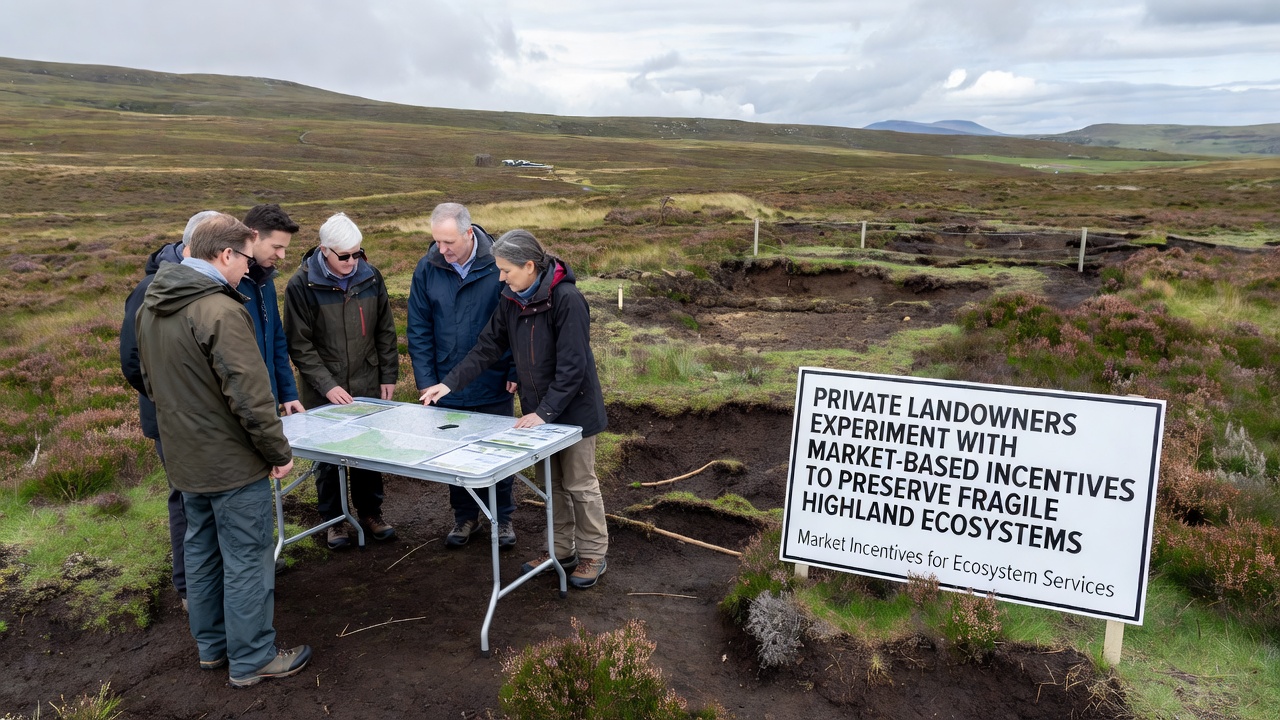
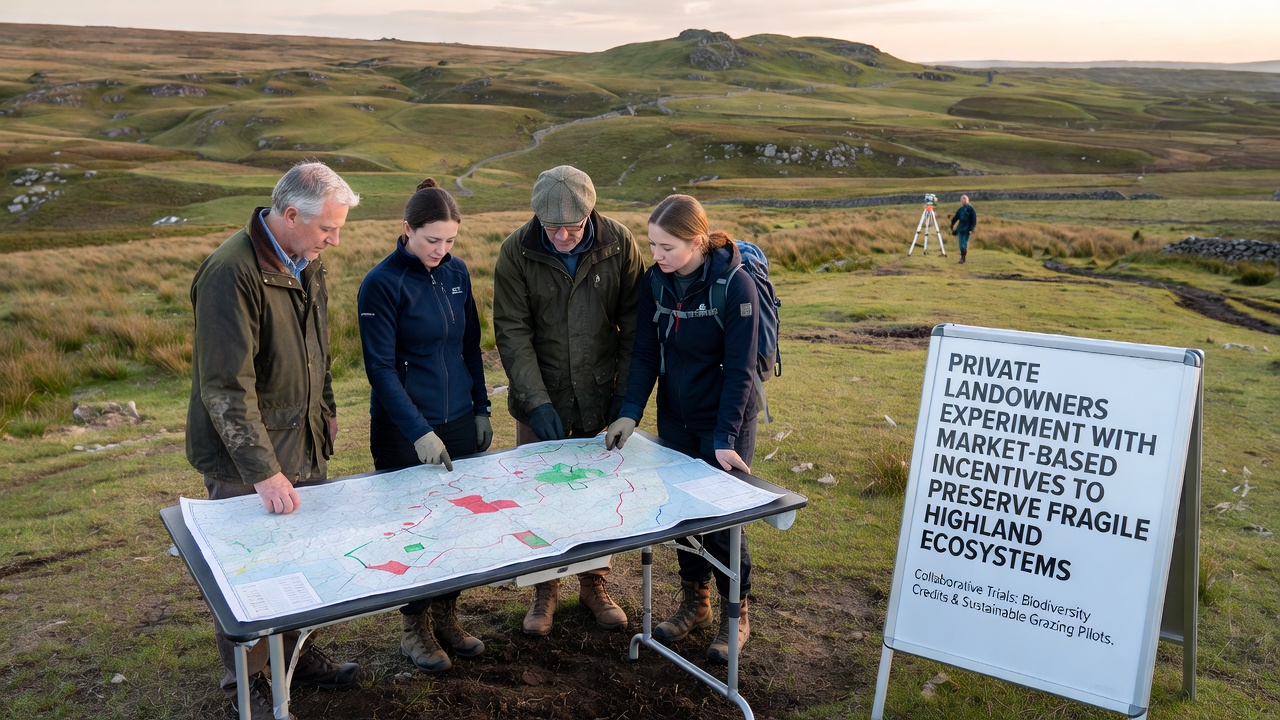
September 2026 marks the launch window for expanded verification protocols in several jurisdictions, and new digital platforms now integrate real-time sensor data with blockchain-based credit issuance to reduce administrative delays. Landowners in the Scottish Highlands have joined a cross-border exchange that allows credits generated from peatland restoration to be traded with buyers in Nordic countries, while parallel efforts in the Ethiopian highlands connect smallholder cooperatives with international climate funds. These arrangements require clear property rights documentation and baseline ecological assessments before enrollment proceeds.
Training programs run by agricultural extension services and university field stations help owners navigate contract terms, measurement methodologies, and reporting obligations, and enrollment data indicate growing interest from mid-sized holdings that previously lacked capacity for complex market participation. Challenges remain around price volatility in carbon markets and the need for standardized protocols across different highland biomes, yet program administrators continue to refine eligibility criteria based on accumulated performance records.
Ecological Monitoring and Outcome Data
Long-term monitoring stations established on enrolled properties record changes in vegetation cover, water quality parameters, and wildlife occupancy rates, and preliminary figures released by regional environmental agencies show measurable gains in certain indicators where incentive payments have remained consistent. Soil carbon stocks have increased on parcels with reduced tillage and managed grazing rotations, whereas native forb diversity has risen in areas previously dominated by invasive grasses. These outcomes depend on site-specific management plans that landowners develop in consultation with ecologists and economists.
External evaluations conducted by academic teams compare enrolled sites against control areas, and results feed into peer-reviewed publications that examine cost-effectiveness relative to direct public land acquisition. Funding sources include national environmental ministries, multilateral development banks, and corporate sustainability budgets, and allocation formulas often prioritize projects that deliver co-benefits such as flood mitigation for downstream communities.
Conclusion
Market-based incentives continue to attract private landowners seeking diversified income while contributing to highland ecosystem protection, and ongoing refinements in measurement, verification, and credit trading systems support broader adoption. Data collection efforts scheduled through late 2026 will supply additional evidence on long-term ecological returns and financial viability across varied terrain and ownership structures.